- Digital Solutions
-
-
-
Digital Solutions
-
-
-
- Our Technology
- Anti Fraud
- Resources
-
-
-
Resources
-
-
-
- Contact Us
- Client Login
- 855-776-7020

- client login

- call now855-776-7020

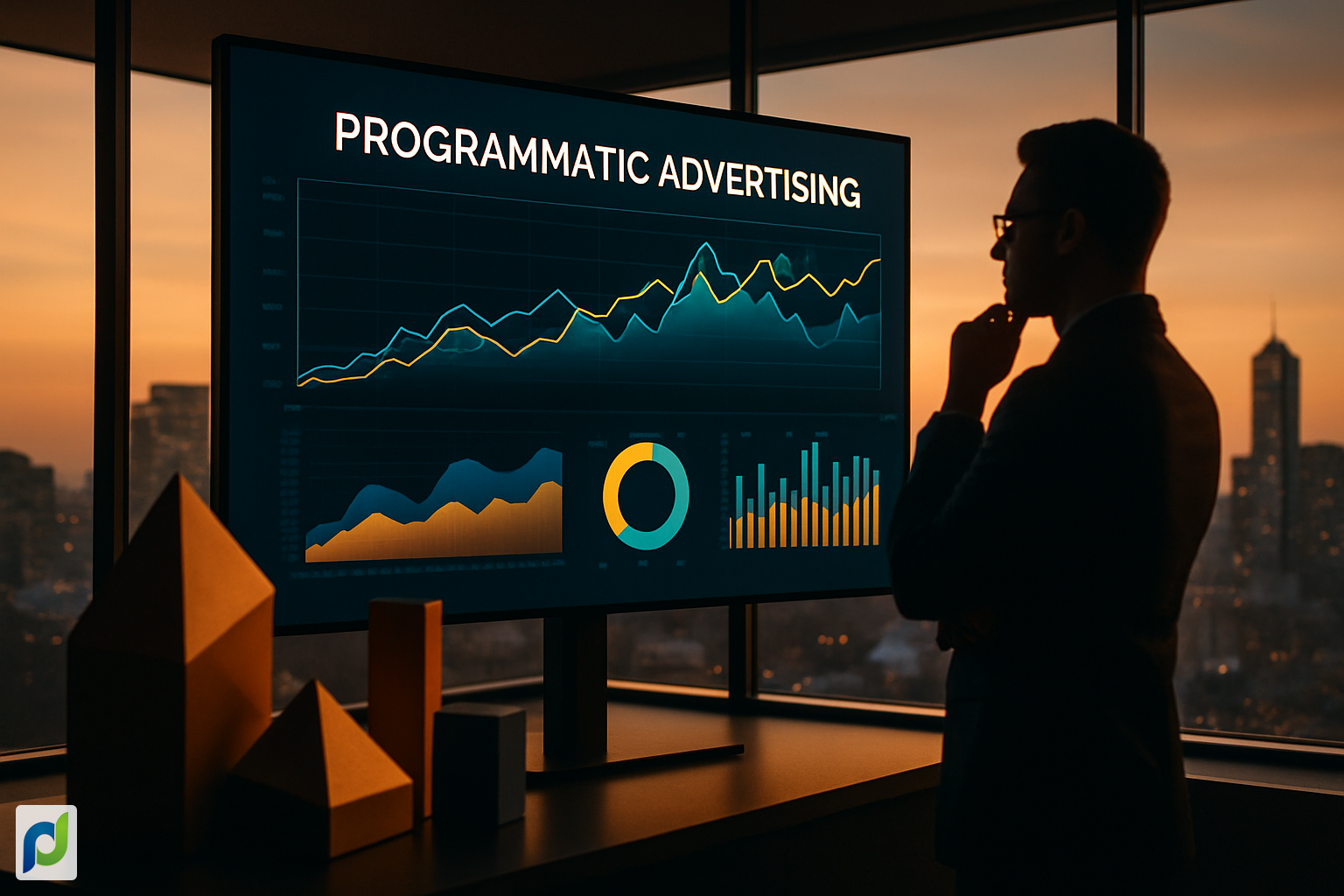
Programmatic advertising solutions are transforming digital marketing by utilizing AI technology and real-time data to enhance audience targeting, streamline campaign execution, and minimize ad fraud. These solutions are particularly effective for marketing professionals in the automotive sector, enabling them to implement effective lead generation strategies.
Modern programmatic advertising solutions automate the buying and selling of advertising space in real-time, using sophisticated algorithms and AI-driven modeling. Key components include Demand-Side Platforms (DSPs), data management platforms, and real-time bidding (RTB) technologies that facilitate targeted ad placements.
AI-driven modeling enhances audience targeting accuracy by analyzing vast datasets to identify patterns and predict consumer behavior. This technology allows marketers to segment audiences precisely, ensuring that ads reach the right people at the right time, thereby improving engagement rates.
Real-time bidding enables advertisers to bid for ad space in milliseconds, ensuring that the most relevant ads are displayed to consumers based on their online behavior. Automated campaign execution simplifies the process, allowing marketers to set up and manage campaigns without needing extensive technical knowledge.
A comprehensive database is crucial for effective programmatic advertising. By integrating first-party data, marketers can enhance targeting precision and campaign effectiveness, ensuring that ads resonate with potential customers.
Many agencies prefer programmatic solutions for their cost efficiency. Automated systems reduce manual labor and optimize ad spending, leading to improved return on investment (ROI). Agencies often report a substantial ROI improvement of 20-30% when transitioning from traditional media buying.
Programmatic solutions offer enhanced transparency compared to traditional methods. By implementing advanced ad fraud detection systems, agencies can protect their advertising spend and ensure that their campaigns deliver the intended results (Source: ProData Media Group, and additional industry reports).
With automated programmatic solutions, marketing teams can save time on campaign management, allowing them to focus on strategy rather than execution. This increased efficiency is invaluable for busy agencies looking to maximize their productivity.
Programmatic solutions provide scalability, enabling agencies to manage multi-channel campaigns effectively. This scalability allows for greater reach and flexibility in targeting diverse audiences across various platforms.
For automotive dealerships, programmatic solutions offer targeted strategies that connect them with potential car buyers based on their online behavior and interests. This ensures that ads are seen by users who are actively exploring automotive options.
By utilizing AI-driven modeling, agencies can optimize lead quality, ensuring that the leads generated are more likely to convert into sales. This targeted approach significantly enhances campaign performance metrics.
Geolocation and geofencing technologies allow marketers to target users based on their physical location, delivering timely messages that can drive foot traffic to automotive dealerships.
Key performance metrics for lead generation campaigns include cost per acquisition (CPA), conversion rates, and overall campaign ROI. Programmatic solutions provide real-time data access to measure these metrics effectively.
Effective audience segmentation is vital for achieving high targeting precision in programmatic advertising. Look for solutions that offer strong segmentation capabilities to tailor messages for specific groups.
Ad fraud detection is essential for protecting advertising investment. Evaluate solutions based on their ability to implement advanced fraud prevention measures that safeguard your campaign.
Integration capabilities are crucial for operational efficiency. Ensure that the programmatic solutions you consider are compatible with existing marketing tools and platforms.
Opt for programmatic solutions that prioritize transparency in reporting, providing clear insights into campaign performance and spending.
Depending on your agency’s capabilities, consider whether a full-service managed solution or a self-serve option best fits your needs for programmatic advertising.
To begin implementing programmatic solutions, agencies should identify their goals and select the appropriate platform that meets their specific needs.
Providing comprehensive training on Demand-Side Platform (DSP) tools is vital for effective campaign execution. Equip teams with the skills needed to utilize automation fully.
Establish clear workflows for setting up and optimizing campaigns to ensure that they run smoothly and yield positive results.
Regularly measure the success of programmatic campaigns by tracking key performance indicators (KPIs) and adjusting strategies as necessary.
Future developments in AI will further enhance predictive audience modeling, allowing marketers to refine targeting strategies and achieve better campaign outcomes.
As privacy regulations evolve, programmatic solutions will adopt privacy-first targeting strategies that do not rely on third-party cookies, ensuring compliance and maintaining user trust.
Integration across channels will become increasingly important, providing marketers with a cohesive strategy for reaching audiences across multiple platforms.
Digital Out Of Home (DOOH) advertising will emerge as a critical channel, offering new opportunities for marketers to engage users in public spaces.
When evaluating providers, consider their experience and success in programmatic buying, particularly in your industry, such as automotive.
Leading providers invest in advanced technological infrastructure to deliver superior services that enhance campaign performance.
Examine the fraud prevention measures implemented by provider solutions to ensure your campaigns remain protected.
Robust customer support and transparent practices are essential features of a reputable programmatic solution provider.
Choose providers with industry-specific expertise to ensure that your marketing strategies align with best practices tailored to your sector.
Small to mid-size agencies should seek programmatic solutions that offer ease of use, strong support, and integration capabilities, making it simple to implement effective campaigns.
Programmatic solutions reduce ad fraud through advanced detection systems, ensuring that your advertising dollars are used effectively and efficiently.
Yes, programmatic solutions can significantly enhance lead quality and conversion rates by optimizing targeting strategies based on consumer behavior.
Agencies often see a substantial ROI improvement of 20-30% when transitioning to programmatic solutions due to increased targeting precision and reduced costs.
Implementation costs vary, but typical pricing models include CPM (cost per thousand impressions) and CPA (cost per acquisition), allowing for flexibility based on campaign goals.
Key factors to consider include experience, technological capabilities, transparency, customer support, and industry expertise.
AI-driven modeling enhances audience targeting by analyzing large datasets to identify patterns, ensuring ads reach the right consumers effectively.
Yes, programmatic solutions are ideal for multi-channel campaigns, offering various integration options to connect effectively with existing marketing platforms.


