- Digital Solutions
-
-
-
Digital Solutions
-
-
-
- Our Technology
- Anti Fraud
- Resources
-
-
-
Resources
-
-
-
- Contact Us
- Client Login
- 855-776-7020

- client login

- call now855-776-7020

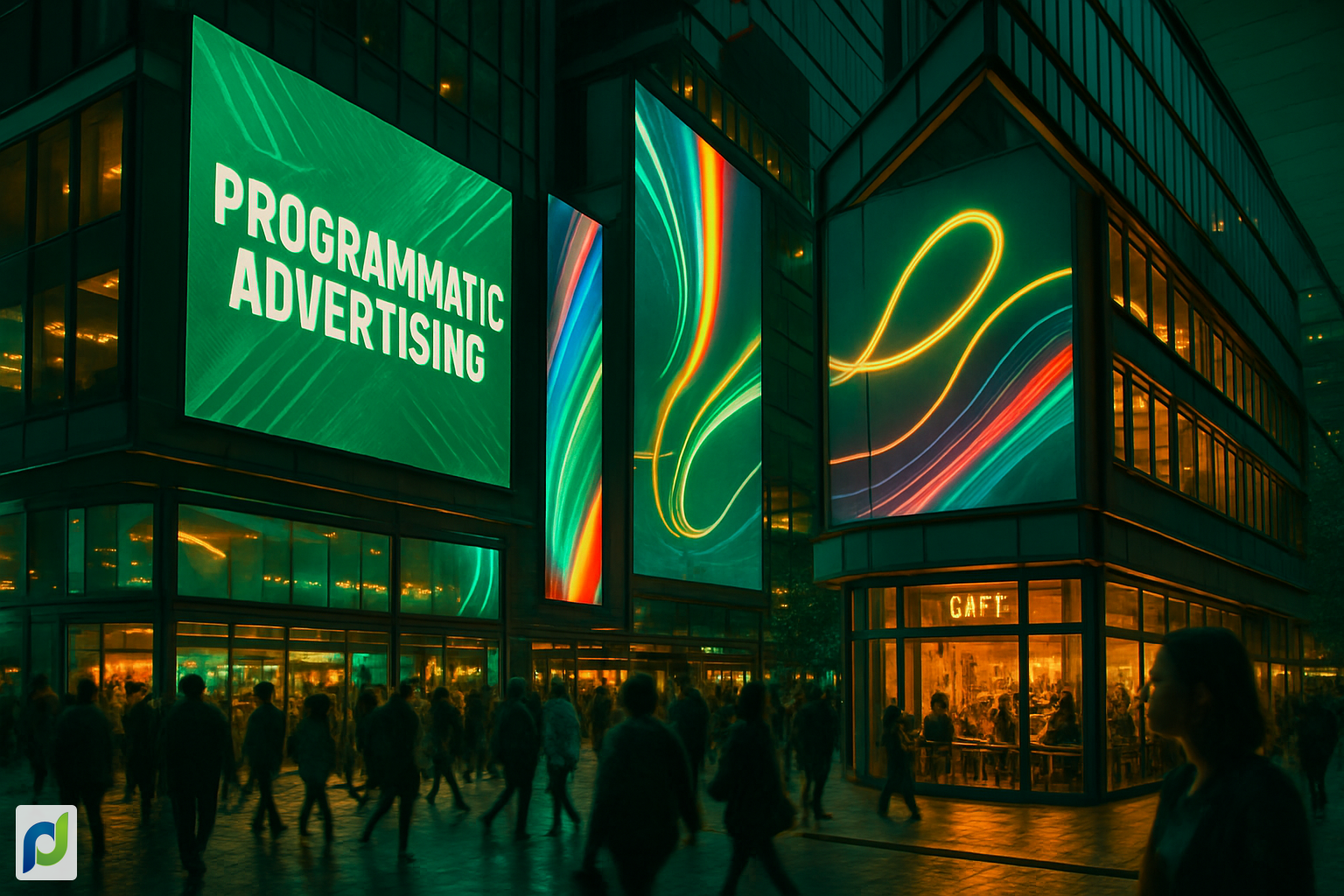
DOOH, or Digital Out-of-Home advertising, is an innovative approach to outdoor marketing that uses digital screens in public spaces to deliver targeted, dynamic content. It differs from traditional Out-of-Home (OOH) advertising by utilizing programmatic technology for real-time optimization and audience targeting.
DOOH is digital out-of-home advertising using digital screens in physical spaces, powered by programmatic technology for real-time optimization.
Digital Out-of-Home advertising (DOOH) refers to the use of digital screens in public spaces to deliver targeted advertising. This modern approach integrates technology to reach audiences in real-time based on various data sources.
Traditional OOH relied on static billboards and posters, while DOOH employs digital screens that can change content dynamically. The transition to programmatic DOOH has enabled advertisers to improve campaign efficiency through data-driven strategies.
DOOH stands out from display ads and social media by reaching audiences in physical locations, enhancing engagement through spatial relevance. Unlike social media, DOOH is not constrained by digital device usage, allowing brands to interact with consumers in their actual environment.
Real-Time Bidding (RTB) for DOOH enables advertisers to bid on ad placements in real-time, optimizing costs and enhancing campaign performance through data-driven decisions.
Geofencing creates virtual boundaries around specific locations, allowing advertisers to deliver tailored messages to audiences within those areas. This technology enhances the relevance of ads based on user location.
Integrating geolocation data into programmatic platforms enables precise targeting that enhances engagement and conversion rates by reaching consumers at the right place and time.
Establishing effective geofence boundaries is critical for achieving campaign objectives. Advertisers should consider traffic patterns and audience demographics when designing these virtual fences.
Advertisers must ensure compliance with privacy regulations when utilizing geolocation targeting. Transparency in data usage and obtaining user consent is essential to maintain trust.
Setting clear goals and Key Performance Indicators (KPIs) is vital for measuring the success of DOOH campaigns. Goals might include increasing foot traffic, brand awareness, or conversions.
Effective audience segmentation in DOOH involves analyzing demographic data and behavioral patterns to tailor content that resonates with specific groups.
Dynamic content allows advertisers to change messages based on real-time data, ensuring that the ads remain relevant and engaging to audiences as they interact with different environments.
Choosing the right inventory and optimizing ad placements are crucial for maximizing visibility and impact. Advertisers should assess locations based on foot traffic and audience relevance.
Metrics such as impressions, engagement rates, and conversions are vital for evaluating DOOH campaign success. Understanding these metrics helps refine strategies for future campaigns.
Attribution modeling provides insights into how digital interactions lead to offline conversions, helping advertisers measure the true impact of their DOOH efforts.
Combining DOOH data with CRM systems enhances the ability to track customer journeys and measure the effectiveness of campaigns in driving sales.
Advertisers should continuously benchmark their DOOH performance against industry standards to identify areas for improvement and ensure competitive advantage.
Automotive brands can leverage DOOH to attract potential customers to dealerships by showcasing promotions and new models in relevant locations.
Geofencing competitor locations allows automotive brands to target audiences visiting rival dealerships, effectively capturing attention with compelling offers.
DOOH can facilitate dynamic pricing strategies that adapt based on demand and inventory levels, maximizing revenue opportunities for automotive brands.
Tracking test drive leads generated from DOOH campaigns provides valuable insights into the effectiveness of advertising strategies in converting interest into sales.
Familiarity with DOOH screen networks and their placement availability is crucial for effective campaign deployment and management.
Implementing real-time bidding strategies for premium inventory enhances the potential for higher engagement and conversions.
Dayparting strategies allow advertisers to optimize their campaigns according to the time of day, ensuring ads are shown when target audiences are most likely to engage.
Efficient management of DOOH placements across different regions involves leveraging data analytics for performance tracking and optimization.
Ad fraud vulnerabilities in DOOH include fake impressions and click fraud. Implementing robust detection measures is essential to safeguard investments.
Adhering to viewability standards ensures that DOOH ads are delivered in a way that maximizes visibility and engagement.
Transparency in transactions is critical for building trust with advertisers and ensuring the integrity of campaign performance.
Careful vetting of vendors and platforms ensures that campaigns are executed effectively and fraud-free.
ProData Media Group utilizes predictive modeling to enhance audience targeting, ensuring that ads reach the most relevant consumers.
The automated campaign management tools provided by ProData Media Group simplify ad placement and performance tracking, maximizing campaign efficiency.
ProData Media Group’s extensive database offers valuable audience insights that drive effective campaign strategies and execution.
ProData Media Group ensures full transparency in campaign performance through real-time reporting, allowing advertisers to make informed decisions.
Integrating DOOH with other digital channels amplifies reach and reinforces messaging across platforms, ensuring a cohesive brand presence.
Cross-channel attribution helps marketers understand how DOOH interacts with other channels to influence consumer behavior.
Maintaining consistency in messaging across DOOH and digital channels enhances brand recognition and effectiveness of campaigns.
Implementing frequency capping ensures that audiences are not overwhelmed with the same message, maintaining engagement without causing fatigue.
The future of DOOH will be shaped by emerging technologies such as augmented reality and advanced data analytics that enhance interactivity and engagement.
AI-driven personalization will enable more contextual targeting, ensuring that ads resonate with consumers based on their preferences and behaviors.
Utilizing first-party data enhances targeting accuracy and campaign effectiveness, enabling brands to connect with their audiences meaningfully.
As sustainability becomes a priority, DOOH strategies will increasingly consider environmental impact and ethical advertising practices.
DOOH utilizes digital screens for advertising and integrates programmatic technology to optimize ad placements in real-time.
Geofencing allows for precise targeting based on location, increasing relevance and engagement with local consumers.
Key metrics include impressions, engagement rates, and conversions, which help measure the effectiveness of campaigns.
Programmatic DOOH pricing is often more flexible and data-driven, allowing for optimized spending based on performance analytics.
Yes, integrating DOOH with other digital channels amplifies brand messaging and enhances overall campaign effectiveness.
Challenges include ad fraud and inventory availability; solutions involve robust analytics and vendor partnerships.
Automotive brands can use targeted DOOH ads to attract potential customers to dealerships by showcasing promotions.
AI and predictive modeling enhance audience targeting and content personalization, improving campaign performance and ROI.
In conclusion, ProData Media Group equips brands with the tools necessary to navigate and thrive in the DOOH landscape, ensuring transparency and optimizing ad performance in a competitive market.
Last updated: August 2026. We review this article regularly to reflect the latest data and best practices.


