- Digital Solutions
-
-
-
Digital Solutions
-
-
-
- Our Technology
- Anti Fraud
- Resources
-
-
-
Resources
-
-
-
- Contact Us
- Client Login
- 855-776-7020

- client login

- call now855-776-7020

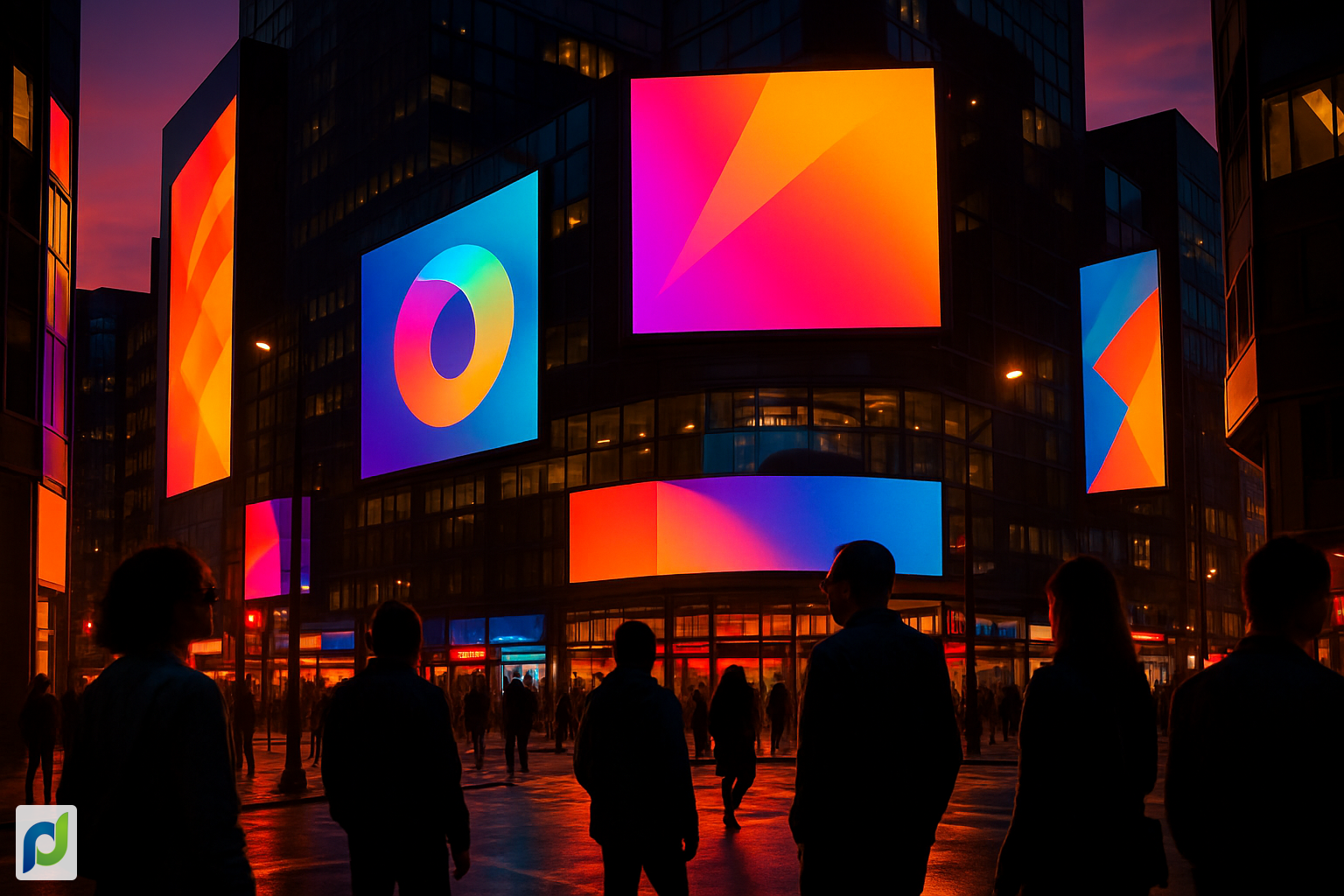
DOOH is digitally-controlled outdoor advertising using screens, billboards, and transit displays managed through programmatic platforms for real-time campaign adjustments.
Digital Out-of-Home (DOOH) advertising has evolved dramatically, transitioning from static billboards to dynamic, programmatically managed displays that allow for real-time content changes based on audience data.
Unlike traditional Out-of-Home (OOH) advertising that relies on fixed placements, DOOH offers targeting capabilities through programmatic buying, which enhances ad relevance and effectiveness.
Artificial intelligence plays a crucial role in optimizing DOOH campaigns, enabling marketers to analyze performance data and adjust their strategies on-the-fly.
Geofencing technology creates virtual boundaries around specific locations, allowing marketers to target ads to users in those areas, enhancing the effectiveness of DOOH campaigns.
Through mobile-to-offline attribution, businesses can track how DOOH advertisements drive foot traffic to their locations, linking online and offline marketing efforts.
Marketers must navigate privacy regulations while using location data to ensure compliance while maximizing the effectiveness of their DOOH campaigns.
Transit advertising is a powerful DOOH channel that captures the attention of commuters, making it ideal for brands looking to reach a mobile audience.
Highway displays provide high visibility for brands targeting drivers and passengers, effectively leveraging the reach of DOOH campaigns.
Retail placements and venue-based advertising, such as in stadiums or shopping malls, allow for targeted outreach to consumers at the point of purchase.
Selecting the optimal mix of DOOH inventory types is essential for maximizing campaign impact and reaching the intended audience effectively.
Real-time bidding (RTB) enables advertisers to purchase DOOH inventory instantly, optimizing costs and reach based on current demand.
Programmatic buying automates the ad placement process, allowing marketers to run large-scale campaigns efficiently without manual intervention.
Programmatic platforms allow for better cost optimization through data-driven insights, ensuring that advertising budgets are spent effectively.
Choosing between managed services and self-serve buying depends on campaign complexity, expertise, and resource availability.
Tracking impressions, reach, and frequency is fundamental for assessing campaign effectiveness and audience engagement in DOOH.
Dwell time metrics help advertisers understand how long audiences engage with their ads, providing insights into effectiveness.
Mobile companion tracking monitors user interactions across devices, allowing for precise measurement of campaign lift and conversions.
Implementing cross-channel attribution models ensures a holistic view of campaign performance, connecting DOOH efforts with other marketing channels.
Using data insights, advertisers can personalize DOOH creatives to increase relevance and engagement with target audiences.
Weather-responsive advertising adjusts content based on real-time weather conditions, enhancing contextual relevance.
A/B testing allows marketers to evaluate different creative approaches to identify which resonates best with their audience.
Effective copywriting and design are crucial for ensuring that DOOH ads grab attention and convey the intended message quickly.
Automotive brands can effectively target potential customers with DOOH ads placed strategically near dealerships.
Retailers benefit from DOOH advertising by promoting deals in close proximity to where customers are making purchase decisions.
DOOH can enhance event marketing efforts by reaching attendees in high-traffic areas and venues.
Case studies demonstrate how successful DOOH campaigns have driven significant results across various industries.
Ensuring ad viewability is crucial for measuring success and preventing ad fraud in DOOH campaigns.
Advanced fraud detection measures help protect advertisers from potential threats in programmatic DOOH environments.
Utilizing third-party auditing ensures transparency and builds trust between advertisers and DOOH platforms.
Partnering with reputable DOOH providers guarantees high-quality inventory and adherence to industry standards.
Linking DOOH campaigns to Customer Relationship Management (CRM) systems enhances personalization and customer engagement.
Creating synergy among various marketing channels maximizes the impact of DOOH campaigns.
Effective budget allocation across channels ensures optimal resource utilization and campaign success.
Integrating DOOH into omnichannel strategies enhances overall marketing effectiveness and customer journey tracking.
Emerging AI technologies will continue to enhance DOOH campaign optimization through predictive modeling and data insights.
Blockchain technology promises increased transparency and accountability in DOOH transactions.
Integrating contextual and behavioral data will enhance targeting capabilities within DOOH advertising.
The DOOH market is projected to grow significantly, presenting numerous opportunities for marketers.
DOOH advertising involves digital displays that serve ads in real-time, allowing for greater targeting and dynamic content adjustments.
ROI for DOOH can be measured through metrics such as impressions, engagement, and conversions linked to specific campaigns.
Programmatic DOOH buying offers efficiency, real-time bidding, and data-driven targeting, which manual buying cannot match.
Yes, DOOH campaigns leverage geofencing and data analytics to target specific locations and demographics effectively.
Industries such as automotive, retail, and event marketing see significant benefits from DOOH strategies due to their targeting capabilities.
Geofencing and mobile data provide insights into audience behavior, allowing for tailored messaging and increased engagement.
The CPM for DOOH advertising varies based on location and demand, but trends suggest competitive pricing in 2025.
DOOH attribution connects user interactions across both online and offline channels, providing a comprehensive view of campaign effectiveness.
Last updated: August 2026. We review this article regularly to reflect the latest data and best practices.


