- Digital Solutions
-
-
-
Digital Solutions
-
-
-
- Our Technology
- Anti Fraud
- Resources
-
-
-
Resources
-
-
-
- Contact Us
- Client Login
- 855-776-7020

- client login

- call now855-776-7020

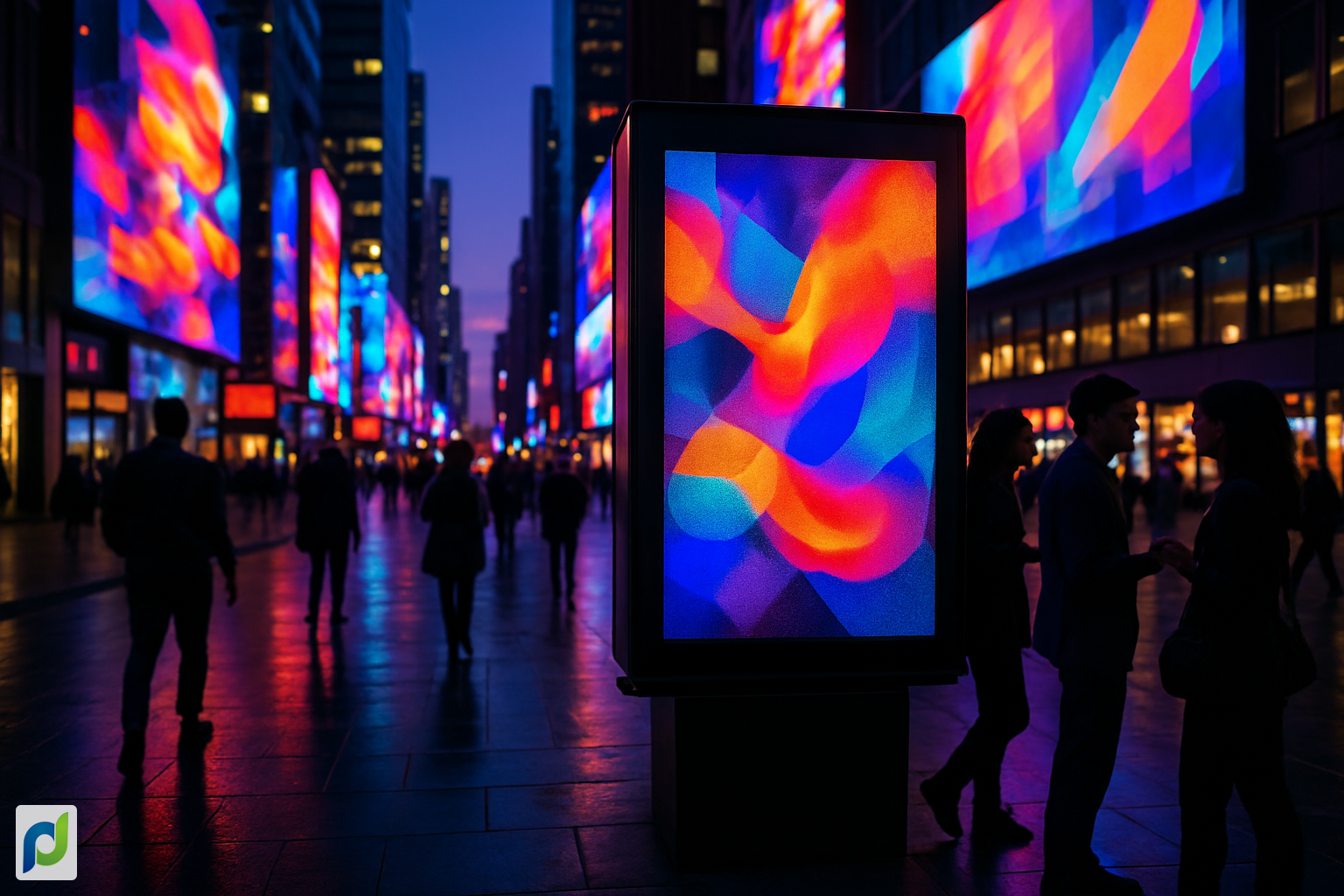
DOOH, or Digital Out-of-Home advertising, refers to programmatic advertising displayed on digital screens in public spaces. It utilizes real-time audience data and AI-driven targeting to deliver timely and relevant ads. According to a report by eMarketer, DOOH ad spending is expected to reach $4.6 billion by 2024, highlighting its growing significance in advertising.
Programmatic technology streamlines the DOOH buying process by automating ad placements, ensuring that brands can efficiently reach their target audiences at scale. This process minimizes manual intervention, leading to faster campaign launches and adjustments.
Real-time bidding (RTB) allows advertisers to purchase ad space on digital screens instantly, optimizing inventory management and enhancing campaign performance. This approach can lead to a 30% increase in ad efficiency compared to traditional buying methods, as reported by industry studies.
Unlike static billboards, DOOH utilizes dynamic digital screens that can display multiple ads throughout the day, enhancing engagement and flexibility. This flexibility allows advertisers to adapt messaging based on real-time events or audience data.
DOOH advertising harnesses data-driven targeting techniques, enabling precise audience segmentation compared to traditional advertising methods that rely on broad demographic assumptions. For instance, studies show that data-driven campaigns can achieve up to 50% higher engagement rates.
Measurement in DOOH campaigns is enhanced through advanced analytics, allowing advertisers to assess engagement and ROI with greater accuracy. Metrics such as impression verification and dwell time measurement are critical for evaluating campaign effectiveness.
DOOH encompasses various formats, including:
Understanding these formats helps advertisers choose the right approach for their campaigns.
Geofencing technology allows brands to create virtual boundaries for targeted advertising, reaching audiences as they enter specific areas. This method can improve campaign relevance and effectiveness, driving foot traffic by up to 20%.
By integrating geofencing with foot-traffic analytics, advertisers can measure the impact of DOOH campaigns on customer visits in real-time. This combination provides insights into consumer behavior and campaign performance.
Effective DOOH campaigns utilize privacy-compliant methods to collect location data, ensuring consumer trust while optimizing targeting. Compliance with regulations like GDPR and CCPA is essential for maintaining brand integrity. Implementing transparent data handling practices can further enhance consumer confidence.
AI-driven predictive algorithms analyze extensive datasets to identify high-value audiences, optimizing targeting and engagement. These algorithms can achieve accuracy rates of over 85% in predicting audience behavior based on location data, though it is crucial to acknowledge potential limitations in data quality.
Dynamic creative optimization allows advertisers to tailor their messages based on real-time viewer demographics, enhancing relevance and impact. This approach can boost engagement rates significantly compared to static creatives.
Machine learning algorithms enable real-time adjustments in campaign strategies, improving overall performance and ROI. Advertisers can adapt their approaches based on immediate feedback from the audience.
Advertisers can track foot traffic and in-store conversions linked to DOOH campaigns, providing critical insights into effectiveness. A study showed that DOOH campaigns can increase in-store visits by up to 14%.
Cross-channel attribution allows advertisers to assess the contribution of DOOH in conjunction with other marketing efforts, offering a holistic view of campaign performance. This method helps in understanding the full customer journey.
Calculating ROI for DOOH campaigns involves measuring engagement metrics, conversion rates, and customer acquisition costs. Effective measurement strategies are essential for justifying ad spend and optimizing future campaigns. CPM ranges typically vary based on location and demand, with expected ROAS thresholds differing by industry.
Advertisers face risks such as ad fraud, which can be mitigated through rigorous detection methods including verification technologies and monitoring systems. Standards from organizations like IAS and MOAT help ensure inventory quality.
Adhering to verification standards promotes transparency in programmatic DOOH advertising, ensuring quality inventory for brands. This transparency is crucial in building trust with advertisers.
Establishing best practices for vetting partners helps advertisers secure high-quality DOOH inventory, minimizing risks and maximizing effectiveness. Key criteria include performance metrics and compliance with industry standards.
Automotive dealerships benefit from DOOH by attracting potential customers to showrooms with targeted advertising campaigns. Case studies indicate a 25% increase in showroom visits through well-placed DOOH ads.
Retailers and quick-service restaurants can utilize DOOH to run location-based promotions that resonate with nearby audiences, resulting in higher conversion rates and customer engagement.
Financial and healthcare sectors utilize DOOH for building local awareness and promoting services to targeted demographics, effectively reaching potential clients where they are.
Choosing the right DOOH platform can significantly influence campaign success and efficiency. Platforms like ProData Media Group provide advanced tools for optimizing campaigns.
Effective creatives for DOOH should be visually appealing and tailored to the audience and environment in which they are displayed. A/B testing can enhance creative effectiveness.
Effective budget allocation and ongoing optimization strategies are crucial for maximizing the impact of DOOH campaigns. Regular performance reviews can help in reallocating resources effectively.
DOOH stands for Digital Out-of-Home advertising, which utilizes digital screens in public spaces to deliver targeted ads based on real-time data.
Programmatic DOOH allows for real-time bidding and precise targeting, resulting in improved efficiency and effectiveness over traditional media buying methods.
Yes, geolocation data enables advertisers to create highly targeted campaigns that reach specific audiences based on their location.
DOOH utilizes digital screens and data-driven targeting, while traditional outdoor advertising relies on static placements and broad demographic targeting.
ROI for DOOH campaigns is measured through foot traffic analysis, conversion rates, and customer engagement metrics.
AI and predictive modeling enhance DOOH targeting by identifying high-value audiences and optimizing creative messages based on real-time data.
DOOH implements verification standards and monitoring technologies that enhance transparency and reduce ad fraud risks.
Industries such as automotive, retail, and healthcare benefit significantly from DOOH campaigns due to their location-based targeting capabilities.
Getting Started with DOOH Advertising
Understanding the nuances of DOOH can significantly enhance your digital advertising strategy. Partnering with experts like ProData Media Group ensures optimized campaign performance through data-driven, AI-powered solutions tailored for your needs.
Last updated: August 2026. We review this article regularly to reflect the latest data and best practices.


